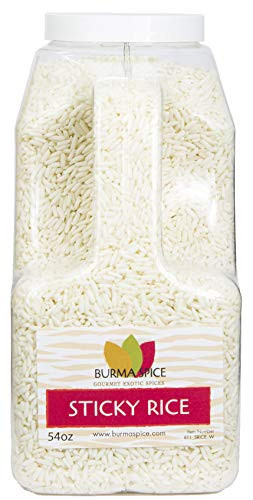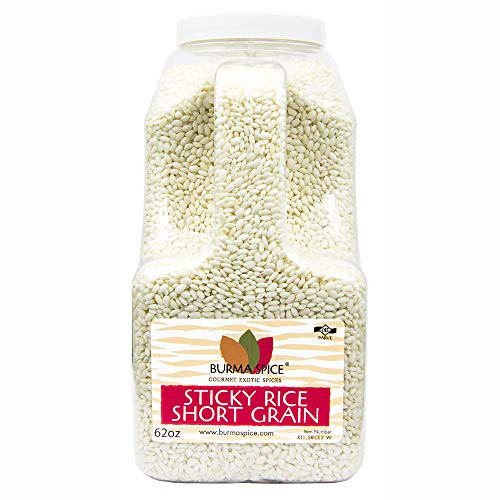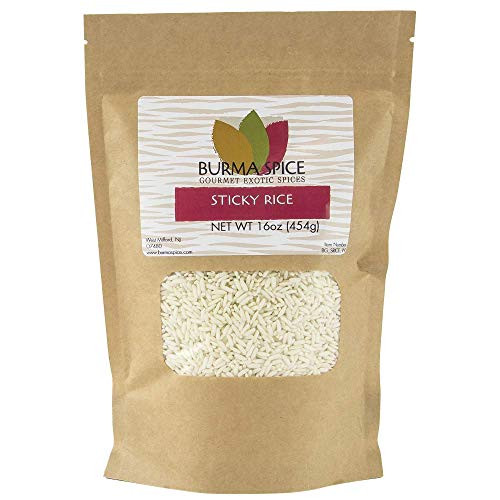
Long grain sticky rice, also known as glutinous rice, is one of the delicacies of Asian cuisine. In fact, long grain sticky rice is most commonly used in the famous Thai dish "sticky rice and mango," while short grain sticky rice is used quite often in Japanese sushi.
Now, what makes sticky rice different from regular white rice? Where does it originate from? And where does it get its stickiness? In fact, the stickiness comes from a low amount of the starch amylase but extra amylopectin, and this also gives the rice a sweet flavor that makes it the most desired alternative to regular white rice.
Our long grain sticky rice is cultivated in the wetlands of California. Because of California's low humidity and close proximity to the ocean, it provides the most ideal climate necessary to produce the best quality rice. In fact, California is known to produce the largest amounts of rice crops in the world.
Unlike most crops, rice is an aquatic plant that needs continues watering. California's wetland environment is ideal because it enhances weed control and minimizes the need for additional fertilizers.