
Product Description
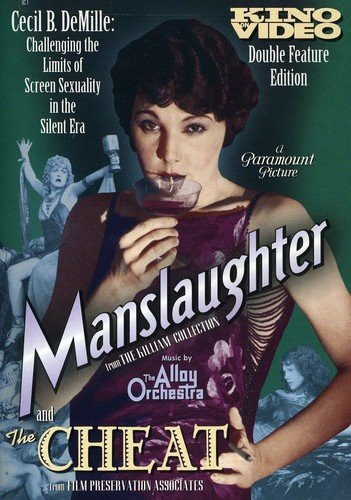
In the silent era, Cecil B. DeMille stood at the forefront of Hollywood directors, a visual stylist who created fashionable fables of women caught in tempests of temptation. Accompanied by a lively score by the Alloy Orchestra, Manslaughter stars Leatrice Joy as a pampered debutante who is forced to confront her irresponsible lifestyle when she causes the death of a traffic cop. To emphasize the debauchery of the Jazz Age elite, DeMille interwove scenes of champagne-soaked parties and Roman orgies, a device that served as a stern warning (while providing a titillating spectacle) to the wayward youth of America. Mixed messages also abound in The Cheat, in which a society woman (Fannie Ward) allows a wealthy Burmese trader (Sessue Hayakawa) to settle a debt for her, not realizing that in exchange he intends to brand her flesh as his own. Highly influential for its dramatic low-key lighting and its frank depiction of extra-marital intrigue, The Cheat tapped into a vein of post-Victorian female masochism, eroticism and Orientalism of the day, exploring the taboo desire to be forcefully seduced and possessed by a man of another (as in Rudolph Valentino's Sheik films several years later).
From the Back Cover
In the silent era, Cecil B. DeMille stood at the forefront of Hollywood directors, a visual stylist who created fashionable fables of women caught in tempests of temptation. Accompanied by a lively score by the Alloy Orchestra, Manslaughter stars Leatrice Joy as a pampered debutante who is forced to confront her irresponsible lifestyle when she causes the death of a traffic cop. To emphasize the debauchery of the Jazz Age elite, DeMille interwove scenes of champagne-soaked parties and Roman orgies, a device that served as a stern warning (while providing a titillating spectacle) to the wayward youth of America.
Mixed messages also abound in The Cheat, in which a society woman (Fannie Ward) allows a wealthy Burmese trader (Sessue Haykawa) to settle a debt for her, not realizing that in exchange he intends to brand her flesh as his own. Highly influential for its dramatic low-key lighting and its frank depiction of extra-marital intrigue, The Cheat tapped into a vein of post-Victorian female masochism, eroticism and Orientalism of the day, exploring the taboo desire to be forcefully seduced and possessed by a man of another (as in Rudol

Manslaughter / The Cheat
Was:
$101.84
Now:
$50.92
- SKU:
- YTH436479
- UPC:
- 738329024420
- Condition:
- New
- Availability:
- Free Shipping from the USA. Estimated 2-4 days delivery.


Cheats
Was:
$80.64
Now:
$40.32
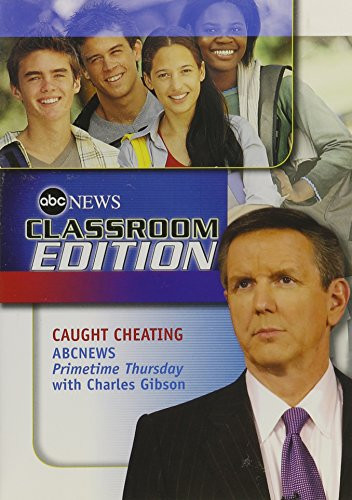
Caught Cheating
Was:
$116.78
Now:
$58.39

Cheat The Devil
Was:
$85.94
Now:
$42.97

The Cheating Pact
Was:
$89.96
Now:
$44.98