
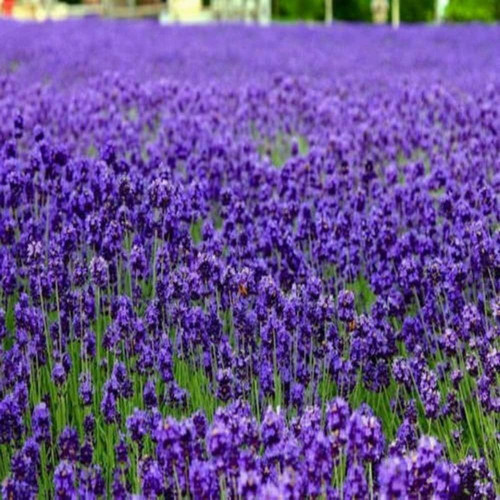
English Lavender Seeds Lavandula angustifolia Herb Edible ********** This variety of lavender is very aromatic and rich in essential oils. Lavender has many uses in the home, for crafts, for home made cosmetics, and in the kitchen. Prefers a well-drained, neutral to alkaline soil and lots of sun. Trim back in spring to encourage bushier growth. MORE INFO: Name: English Lavender Scientific Name: Lavandula angustifolia Color: Purple Hardiness Zones: All Plant Seeds: Outdoors After Frost or Indoors Weeks Before Last Frost Plant Height: 30" Plant Spacing: 18" Cycle: Perennial Bloom Season - Summer Light Requirements: Full Sun Soil & Water Preferences: Average Other: Attracts bees, birds, & butterflies, Sowing: Refrigerate the English lavender seeds for a month before planting. Plant them just below the surface in soil that drains well, and keep them at a temperature of 60-64 degrees F. Keep the soil moist with a spray bottle to prevent over watering, and shield them from the hottest sun. Germination may take up to a month, and plants will reach a suitable size for transplanting in about 6 months; transplanting can take place either in late spring or fall. Transplant them to bigger pots as carefully as possible to avoid disturbing the roots. Lavender plants prefer full sun and soil that drains well, even rocky or sandy soil. Plant them 24-36" apart in rows 30-36" apart to allow enough space for growth. With proper handling, English lavender seeds can grow in containers; lavender also makes an excellent hedge that attracts birds, bees, and butterflies. Growing: The proper amount of moisture is crucial to young lavender plants. Too much water is deadly, but until they are established they need soil that is fairly moist. Mature plants can tolerate drought conditions, but must not become dehydrated. Mulching the plants with gravel or small shells

1000 True English Lavender Seeds Lavandula angustifolia Herb - Fresh Seeds - Non-GMO
Was:
$65.88
Now:
$32.94
(No reviews yet)
Write a Review
Write a Review
1000 True English Lavender Seeds Lavandula angustifolia Herb - Fresh Seeds - Non-GMO
- SKU:
- ZYB373160
- Condition:
- New
- Availability:
- Free Shipping from the USA. Estimated 2-4 days delivery.

Seed Needs Vera Lavender True English Lavandula angustifolia 2 Packages of 500 Seeds Non GMO
Was:
$59.88
Now:
$29.94
ENGLISH LAVENDER Lavandula Angustifolia --- 10 Herb Seeds
Was:
$65.48
Now:
$32.74


