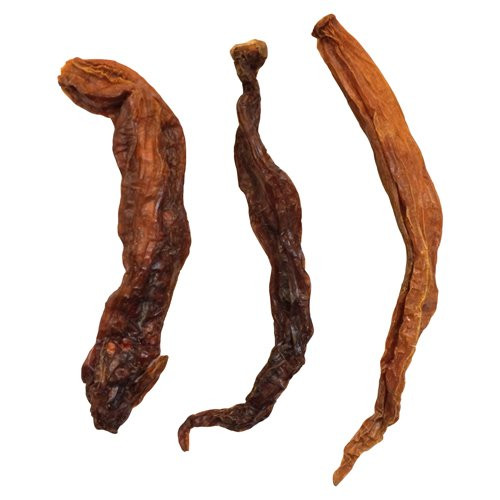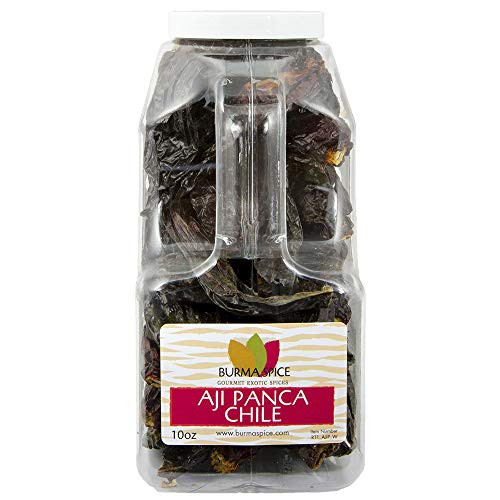
Aji Panca chiles are milder and fruitier than Anchos or Chipotle chiles. And the taste closely mirrors that of Chipotle, although with a more subdued spiciness. The Aji panca peppers register just 1,000-1,500 Scoville units (while their close cousins the aji amarillo register 40,000)!
Sauces â" A common ingredient in Latin and South American sauces, the powder creates a sweet and slightly spicy flavor â" without overwhelming other flavors. Itâs great in creamy sauces.
The coastal areas of Peru â" known for their hills, Mediterranean climate and fertile soils. And these peppers have been grown there for more than 5,000 years, starting with the Incas. Historians speculate that aji peppers, as well as quinoa, are âlost cropsâ of the Incas.
The aji panca have been grown there for thousands of years, and fossilized peppers, in fact, have been found in the region.
Anja panca plants require higher temperatures to thrive. Soil temperatures must be 75 degrees at a minimum, and they grow to about 5 feet in height. Each plant produces about 20-30 pounds of panca chiles, which are then dried.
Burma Spice sources our aji panca chiles and powders from a farming cooperative in the Cajamarca region of Peru. The regionâs mountainous climate â" the farming collective is located at 9,000 feet â" gives these aja panca peppers their unique flavor.
The collection grows and dries the peppers, using traditional, centuries-old techniques.
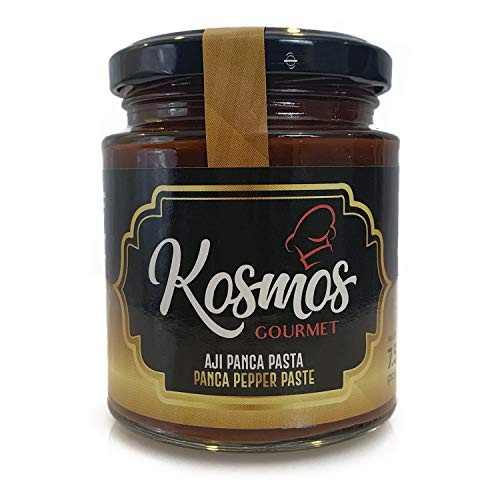
To make a paste soak the Aji Panca chiles in hot water for 5 to 10 minutes. Then drain the water, remove the stems and add to the blender with garlic, olive oil and salt. It you want an even milder chile, with even less heat, remove the chile veins and seeds.